
Archive Photo Essay
Visual memory along the northern coast
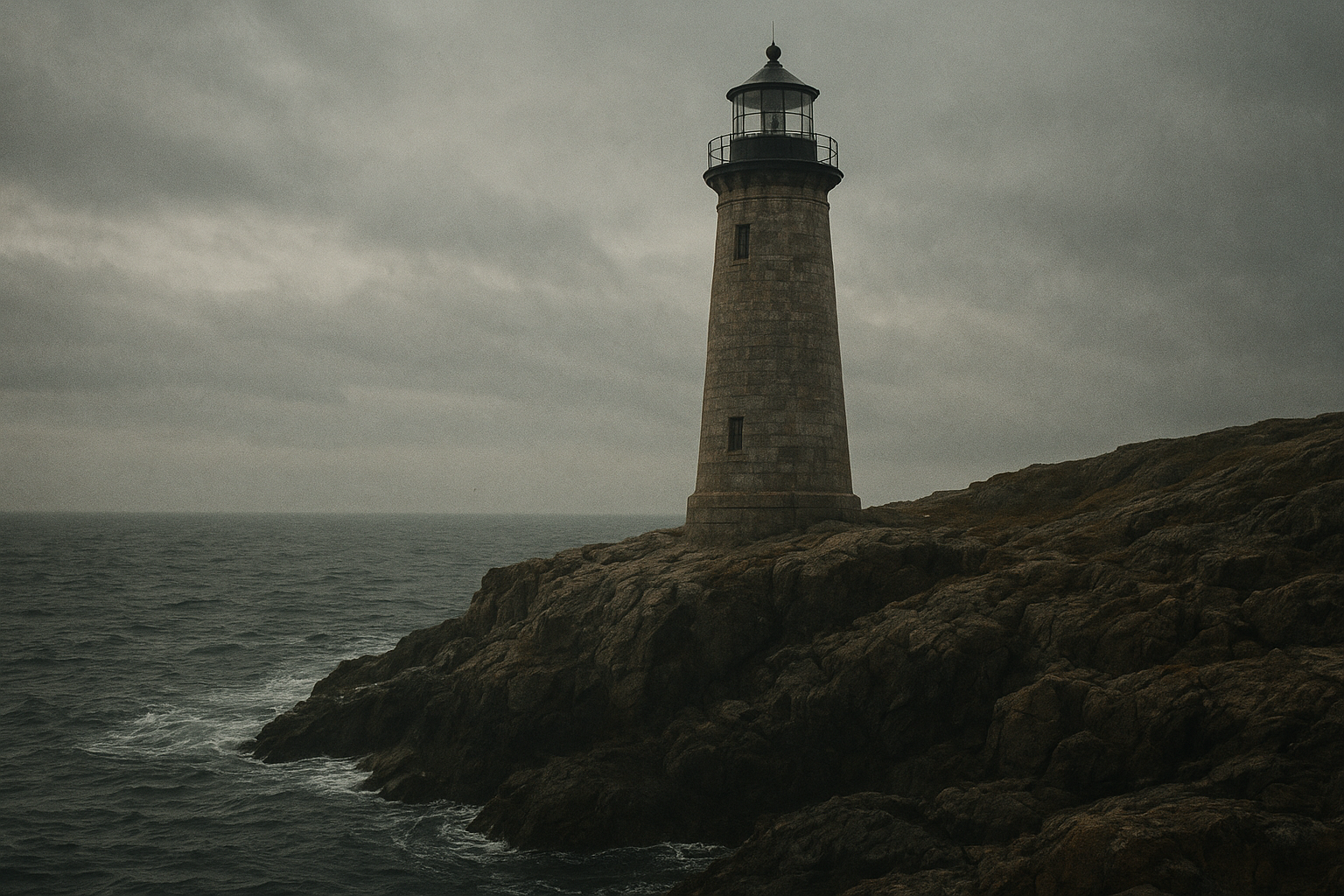
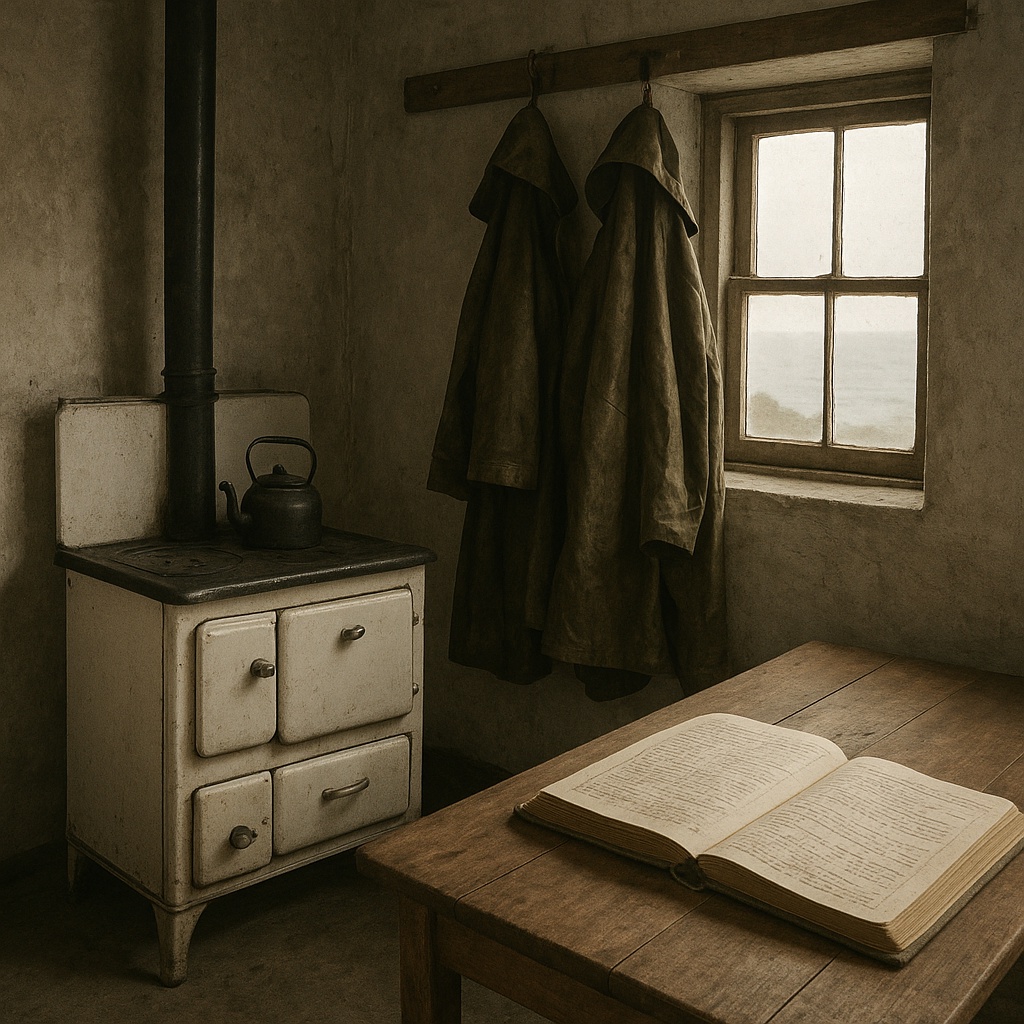
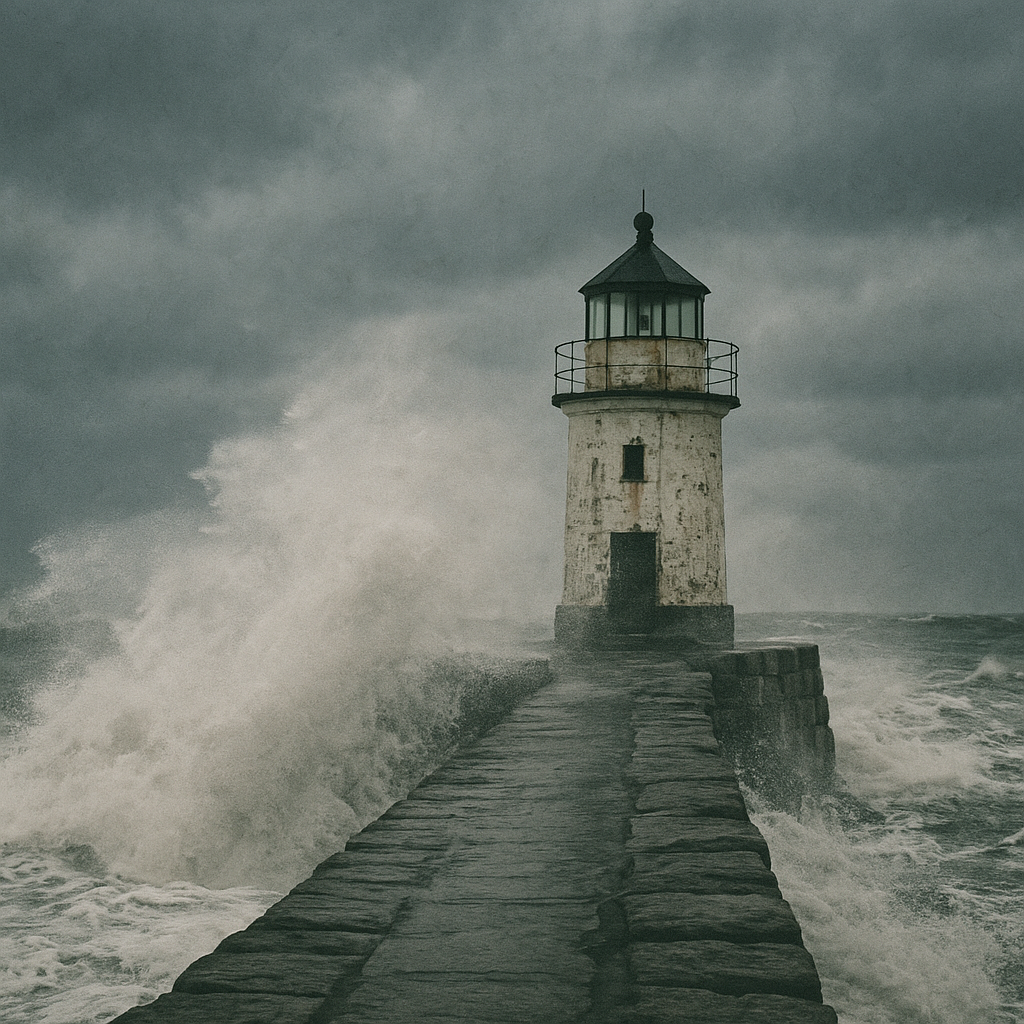
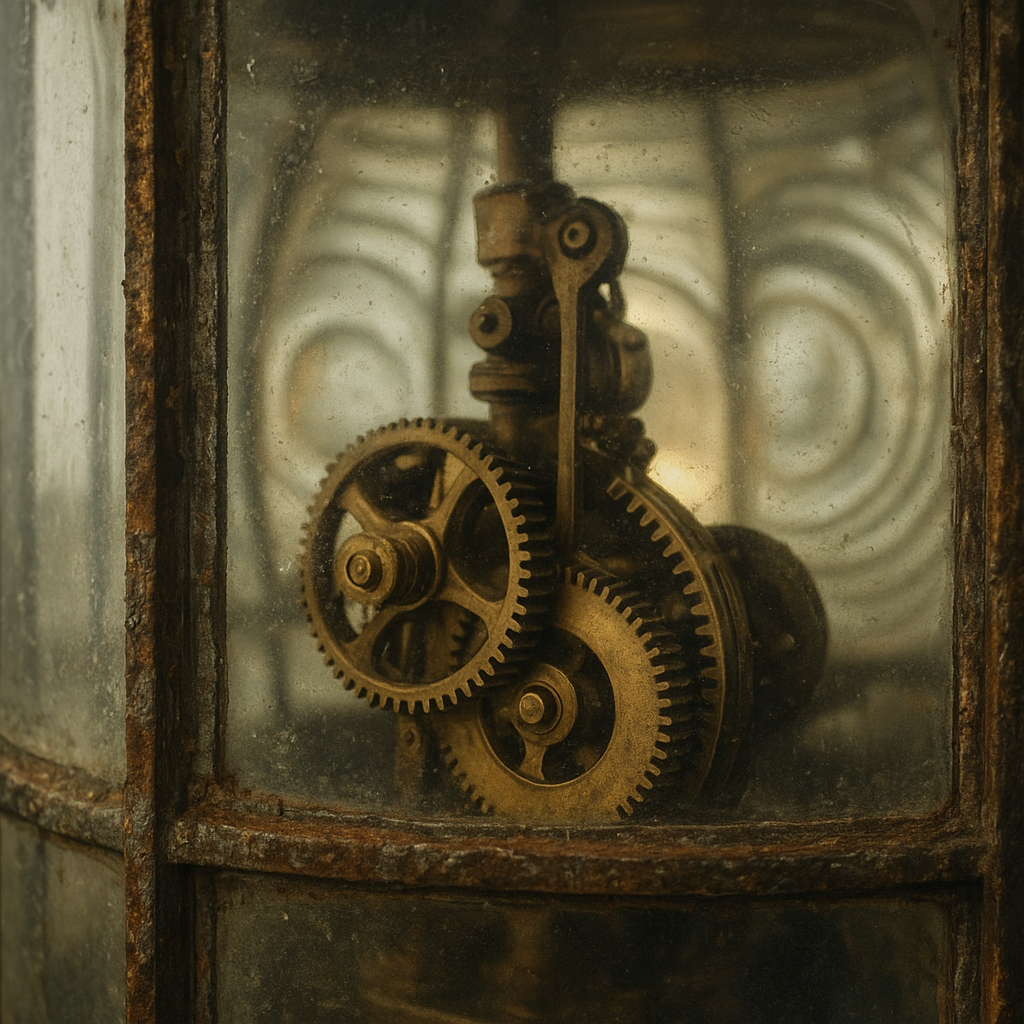
Four preserved moments from field archives: weathered towers, keeper life, and the lantern rooms that carried light through difficult water.
Archive context
Research Notes & Historical Questions
These notes address recurring questions from readers and researchers, offering concise context drawn from documented sources and field observations.
How are preserved lighthouse structures protected today?
Most surviving towers are protected through a combination of heritage listing, municipal maintenance agreements, and volunteer stewardship groups. This layered model helps balance structural conservation with public access and coastal safety standards.
How do historians date unlabeled lighthouse photographs?
Dating usually combines visual clues—lantern design, paint schemes, and shoreline changes—with external records such as shipping logs, weather reports, and newspaper notices. A date is treated as provisional until multiple sources align.
Why do coastal conditions matter when reading historical records?
Fog frequency, winter ice, and shifting sandbars directly shaped navigation hazards and keeper workload. Interpreting entries without these environmental factors can make routine maintenance or delayed supply trips appear unusual when they were seasonal norms.
What did a keeper’s daily routine typically include?
Beyond tending the light, keepers cleaned lenses, maintained fuel or electrical systems, logged weather, and monitored passing vessels. Many stations also required constant upkeep of outbuildings, pathways, and signal equipment in corrosive sea air.
How is conflicting archival evidence interpreted?
We compare source proximity, author intent, and record type before weighing reliability. Rather than forcing a single claim, uncertain points are marked transparently so readers can see where evidence is strong, disputed, or still incomplete.